Chicago Kitchen Permit Requirements - The Bottom Line
Most kitchen remodels in Chicago require permits costing $500-$2,500. You need permits for electrical work (moving outlets, new circuits), plumbing changes (relocating sinks, adding gas lines), and structural modifications (removing walls, moving doors). Simple cosmetic updates like painting or replacing cabinet doors don't require permits. Skipping required permits risks $500-$5,000 fines, failed home sale inspections, and denied insurance claims. Professional contractors typically handle permit applications through Chicago's Easy Permit Program, streamlining approval to 10-15 business days.
Planning a kitchen remodel in Chicago? Before you swing that first sledgehammer, you need to understand the city's permit requirements. After navigating over 300 kitchen renovation permits for Chicago homeowners since 2013, Assembly Squad knows exactly which projects need city approval - and which ones don't. Just last month, we saved a Lincoln Park client $8,000 by redesigning their layout to avoid a structural permit, while simultaneously ensuring full code compliance for the electrical and plumbing work that did require approval.
Chicago's permit process protects you from unsafe work and ensures your renovation meets building codes. But it also adds time and cost to your project. The key is understanding when permits are truly necessary versus when you're overthinking it. A $45,000 kitchen remodel might need three separate permits, while a $30,000 refresh could require none at all.
The permit process isn't just bureaucratic red tape - it's your protection. Permitted work comes with city inspections that catch problems before they become disasters. We recently completed a Wicker Park bungalow where the rough-in inspection revealed the previous owner had installed aluminum wiring in the 1970s - a serious fire hazard the homeowner didn't know existed. The inspector required us to rewire the entire kitchen, which the homeowner's insurance partially covered once we documented it. Without that permit and inspection, they would have been living with a dangerous electrical system. When you eventually sell your home, buyers and their inspectors will check for proper permits. Unpermitted work can derail sales, reduce offers by $10,000-$20,000, or force expensive corrections. Let's break down everything Chicago homeowners need to know about kitchen renovation permits.
Cost of Skipping Permits
Permit violation fines: $500-$5,000
Failed sale repairs: $10,000-$20,000
Insurance claim denials: Coverage loss
Reinspection costs: $200-$500 per visit
Peace of mind: Priceless
Do I Need a Permit for My Chicago Kitchen Remodel?
Chicago's Department of Buildings requires permits for most kitchen renovations that go beyond cosmetic updates, as outlined in the Chicago Building Code (Title 14A of the Municipal Code). Here's the definitive breakdown based on current 2025 regulations:
Work That ALWAYS Requires Permits
- Electrical work: Adding new circuits, moving outlets, upgrading panel
- Plumbing changes: Moving sink location, adding gas lines, new water lines
- Structural modifications: Removing walls, relocating doors, adding windows
- HVAC changes: Moving ductwork, adding vents, new heating/cooling
- Gas appliance installation: Ranges, cooktops requiring gas connections
- Load-bearing work: Any modification to structural support
- Permit cost range: $500-$2,500 depending on scope
Work That DOESN'T Require Permits
- Cabinet replacement: Same footprint, no electrical/plumbing changes
- Countertop installation: Direct replacement without modifications
- Backsplash tile: Surface application only
- Painting & refinishing: All decorative finishes
- Cabinet hardware: Handles, pulls, hinges
- Appliance swap: Direct replacement using existing connections
- Flooring: Installing over existing floor without structural changes
⚠️ The Gray Area: When to Ask First
- Replacing appliances: If the new appliance requires different connections (220v vs 110v), you need a permit
- Removing upper cabinets: Usually fine, but check if anything structural is hidden
- Adding under-cabinet lighting: Hardwired requires permit, plug-in doesn't
- Minor plumbing: Replacing a faucet doesn't need permit, but moving the sink does
- Condo buildings: May have stricter requirements than city code
Types of Chicago Kitchen Renovation Permits
| Permit Type | Cost | When Required | Approval Time | Inspection Required |
|---|---|---|---|---|
| Electrical | $150-$500 | New circuits, outlet relocation, panel upgrade | 5-10 days | Rough-in & final |
| Plumbing | $200-$600 | Moving fixtures, new water lines, gas work | 5-10 days | Rough-in & final |
| Building/Structural | $300-$1,200 | Wall removal, structural changes, new openings | 10-15 days | Multiple stages |
| Combination Permit | $500-$2,500 | Full remodels with multiple trades | 10-15 days | All applicable |
Chicago Easy Permit Program: Fast-Track Your Kitchen Remodel
Chicago's Easy Permit Program (launched in 2018 and expanded in 2024) streamlines approval for licensed contractors. According to the Chicago Department of Buildings' 2025 statistics, Easy Permit applications are approved 60% faster than traditional submissions. If you're working with a professional remodeler like Assembly Squad (License #TGC098779), they can submit online and get approval in 10-15 business days instead of the traditional 4-6 weeks. We've used this system for every project since its launch and maintain a 98% first-time approval rate.
Easy Permit Benefits
- Online submission (no City Hall visits)
- 10-15 day approval vs 4-6 weeks
- Digital plan review and comments
- Automatic inspection scheduling
- Email status updates
- Contractors handle all paperwork
DIY Permit Process
- Must visit City Hall in person
- Submit detailed plans and specs
- 4-6 week review process
- Multiple revision rounds possible
- Homeowner responsible for inspections
- More documentation required
Step-by-Step: Getting Your Chicago Kitchen Permit
The Complete Permit Application Process
- Step 1 - Hire licensed contractor (recommended): Licensed professionals can use Easy Permit Program
- Step 2 - Prepare documentation: Floor plans, electrical/plumbing diagrams, material specs
- Step 3 - Submit application: Online through contractor or in-person at City Hall
- Step 4 - Plan review: 10-15 days for Easy Permit, 4-6 weeks standard
- Step 5 - Address comments: City may request revisions or clarifications
- Step 6 - Pay permit fees: Based on project scope and valuation
- Step 7 - Receive permit: Posted at job site throughout construction
- Step 8 - Schedule inspections: At required stages during work
- Step 9 - Final inspection: City signs off on completed work
- Step 10 - Permit closure: File closed, work officially approved
Required Inspections for Chicago Kitchen Remodels
Standard Inspection Schedule
- Rough-in inspection: Before covering walls - checks framing, plumbing, electrical
- Electrical rough-in: Wiring visible, outlets installed, no covers yet
- Plumbing rough-in: Pipes installed, connections made, before drywall
- Framing inspection: For structural changes, load-bearing modifications
- Final electrical: All fixtures installed, outlets working, breakers labeled
- Final plumbing: Fixtures operational, no leaks, proper drainage
- Final building: Everything complete, ready for occupancy
⚠️ Common Inspection Failures
- GFCI outlets missing: Required within 6 feet of water sources
- Improper venting: Range hood must vent outside (not recirculate)
- Electrical panel issues: Overcrowded breakers, improper labeling
- Plumbing mistakes: Wrong trap size, improper slope, missing shutoffs
- Structural concerns: Inadequate support after wall removal
- Code violations: Outlet spacing, light switch locations, clearances
Condo Kitchen Renovations: Double the Approvals
Chicago condo and co-op owners face an extra layer of complexity - HOA approval comes before city permits. Most buildings require board approval for any renovation beyond painting.
Condo-Specific Requirements
- HOA application: Submit plans 4-8 weeks before construction
- Insurance certificate: Contractor must carry building-required coverage
- Work hours: Typically restricted to 9am-5pm weekdays only
- Freight elevator: Reserve in advance, may cost $100-$300 per day
- Common area protection: Hallway covering, elevator padding required
- Noise restrictions: No jackhammers, limit demo to certain hours
- Structural rules: Many buildings prohibit load-bearing changes
- HOA inspection: Building may require their own final inspection
Permit Costs: Real Numbers for Chicago Kitchen Remodels
Typical Permit Cost Breakdown
- $30,000 refresh (no permits): $0 - Cabinet replacement, countertops, appliances
- $45,000 standard remodel: $800-$1,200 - Electrical and plumbing permits
- $65,000 renovation: $1,200-$1,800 - Adds structural permit for wall removal
- $85,000+ transformation: $1,500-$2,500 - Comprehensive permits all trades
- Additional costs: Expedited review ($200-$500), plan revisions ($100-$300)
- Reinspection fees: $200-$500 if work fails inspection
Timeline Impact: How Permits Affect Your Schedule
With Easy Permit Program
- Application: 3-5 days
- Plan review: 10-15 days
- Revisions (if needed): 5-7 days
- Permit issued: 1-2 days
- Total: 3-4 weeks
- Construction can start immediately
Traditional DIY Permit
- Plan preparation: 1-2 weeks
- City Hall submission: 1 day
- Review process: 4-6 weeks
- Address comments: 1-2 weeks
- Total: 6-10 weeks
- Plus inspection coordination
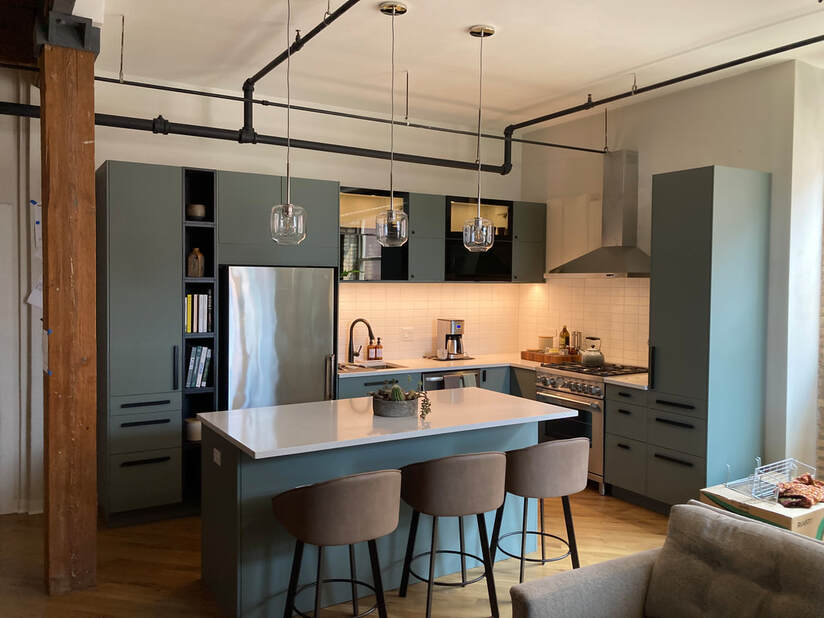
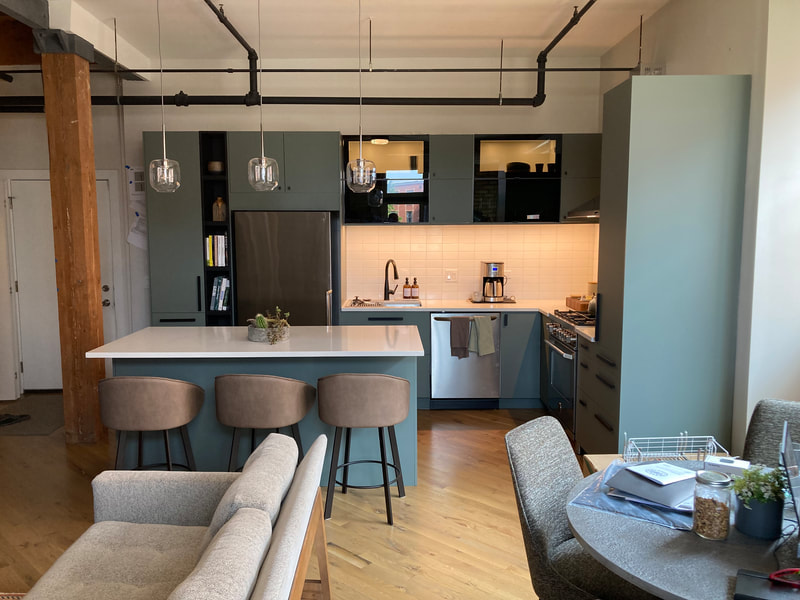
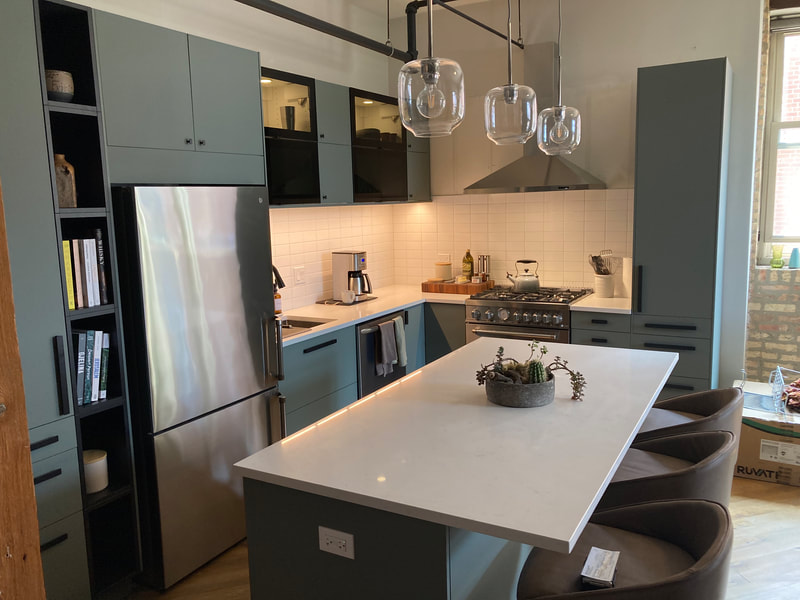
See Our Chicago Kitchen Transformations
Fully permitted kitchen remodels across Chicago neighborhoods
What Happens If You Skip Permits?
Real Consequences of Unpermitted Work
Getting caught doing unpermitted work can cost you thousands in fines, failed home sales, and insurance nightmares. Chicago inspectors can issue stop-work orders ($500-$1,000), require expensive remediation (ripping out completed work for inspection), and levy daily fines until violations are corrected. When selling, buyers' inspections will flag unpermitted work, potentially killing your sale or forcing price reductions of $10,000-$20,000. Insurance companies may deny fire or water damage claims if they discover unpermitted electrical or plumbing work contributed to the loss.
The Permit Violation Process
- Discovery: Neighbor complaint, inspector drive-by, or sale inspection
- Stop-work order: All construction must cease immediately
- Fine assessment: $500-$5,000 depending on severity
- Retroactive permit: More expensive and complicated than getting it right
- Remediation: May need to expose covered work for inspection
- Multiple inspections: Each reinspection costs $200-$500
- Sale complications: Unpermitted work must be disclosed to buyers
Working with Licensed Contractors: Worth Every Penny
Licensed contractors aren't just more expensive - they're your permit insurance policy. They know exactly what requires permits, handle all paperwork, coordinate inspections, and ensure code compliance.
Contractor License Benefits
- Easy Permit Program access
- Established city relationships
- Know inspectors personally
- Handle all permit paperwork
- Liability insurance coverage
- Warranty on permitted work
DIY Permit Challenges
- Must visit City Hall in person
- Learn permit process from scratch
- Coordinate own inspections
- Risk failing inspections
- No professional backup
- Longer timeline overall
Permit-Free Kitchen Updates That Still Transform
Not every kitchen update needs permits. These cosmetic changes can dramatically improve your space without city involvement:
No-Permit Kitchen Refresh ($25,000-$40,000)
- Cabinet refacing: New doors/drawer fronts on existing boxes ($5,000-$10,000)
- Countertop replacement: Same footprint, no plumbing changes ($3,000-$8,000)
- Appliance swap: Direct replacement, same connections ($8,000-$15,000)
- Backsplash tile: Surface application only ($1,500-$3,000)
- Paint & hardware: Completely different look ($800-$1,500)
- Flooring: Luxury vinyl over existing floor ($2,000-$4,000)
- Lighting upgrade: Plug-in under-cabinet LEDs ($300-$800)
Special Situations: When Permits Get Complicated
⚠️ Complex Permit Scenarios
- Historic districts: Landmark Commission approval required before building permit
- Multi-unit buildings: Need separate permits for each unit being renovated
- Basement kitchens: Additional egress and ceiling height requirements
- Gas line work: Requires licensed plumber, pressure testing, multiple inspections
- Load-bearing walls: Structural engineer stamp required on plans
- Zoning violations: Pre-existing non-conforming uses can complicate permits
Your Questions Answered: Chicago Kitchen Permits
How do I know if my contractor pulled permits?
- Ask directly: Request copies of all permit applications and approval documentation
- Check online: Search the Chicago Building Permits Database (public record)
- Look at job site: Permits must be posted visibly during construction per city ordinance
- Inspection stickers: Green approval stickers should be on electrical panel after final inspection
- Final certification: City issues certificate of completion when permit is properly closed
Can I get a permit for work already completed?
- Yes, but it's harder: Called "after-the-fact" or retroactive permits
- More expensive: Penalties and fees added to standard permit cost
- Requires exposure: May need to open walls to show inspectors
- Not guaranteed: City can require removal of non-compliant work
- Professional help essential: Work with experienced permit expediter
Navigating Chicago's permit process doesn't have to be overwhelming. With the right contractor and understanding of requirements, permits become a straightforward part of your kitchen renovation - not a roadblock. The key is planning ahead, budgeting properly for permit costs, and building that approval time into your timeline.
Remember that permits protect your investment, ensure safety, and preserve your home's value. When you eventually sell, permitted work is a selling point that reassures buyers everything was done right. The few thousand dollars and extra weeks for permits are insurance against much bigger problems down the road.
Ready to start your properly-permitted Chicago kitchen remodel? Contact Assembly Squad for a free consultation. As a licensed general contractor (TGC098779), we handle all permit applications, coordinate inspections, and ensure your project meets every Chicago building code requirement. From small refreshes to complete transformations, we'll navigate the permit process so you don't have to.