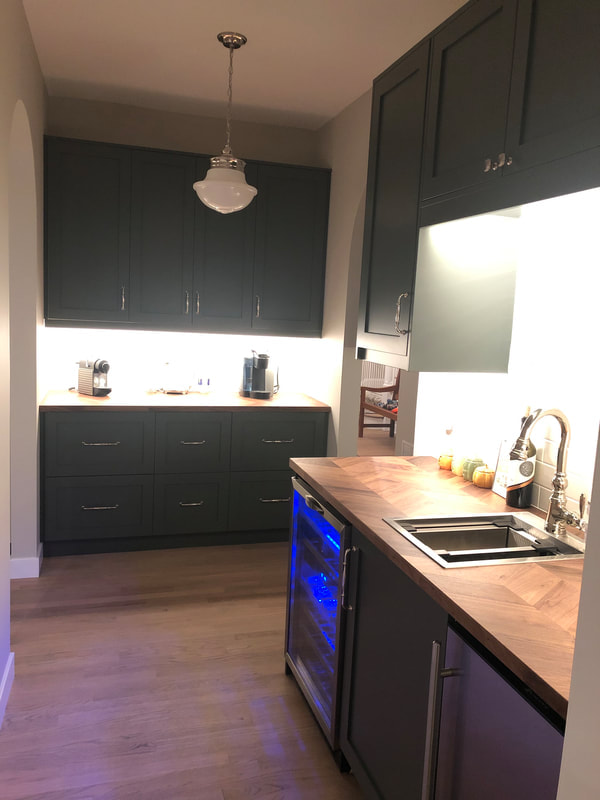
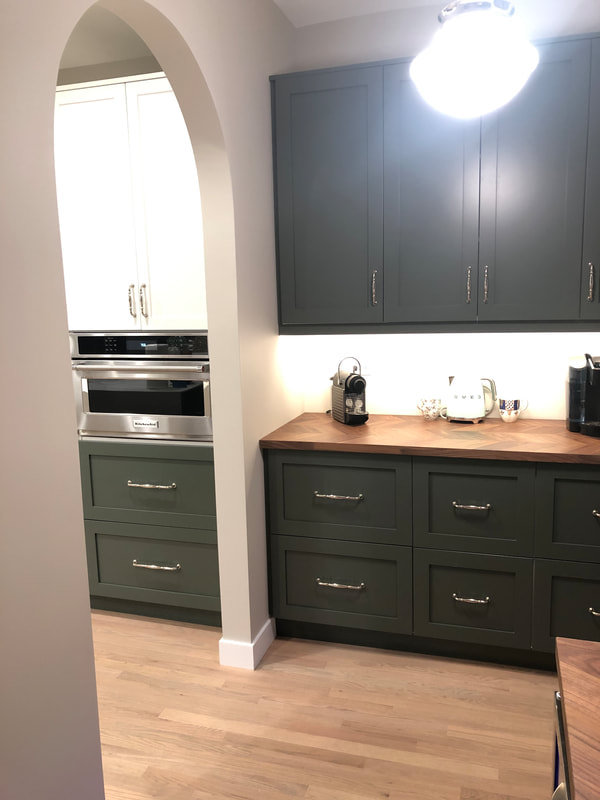
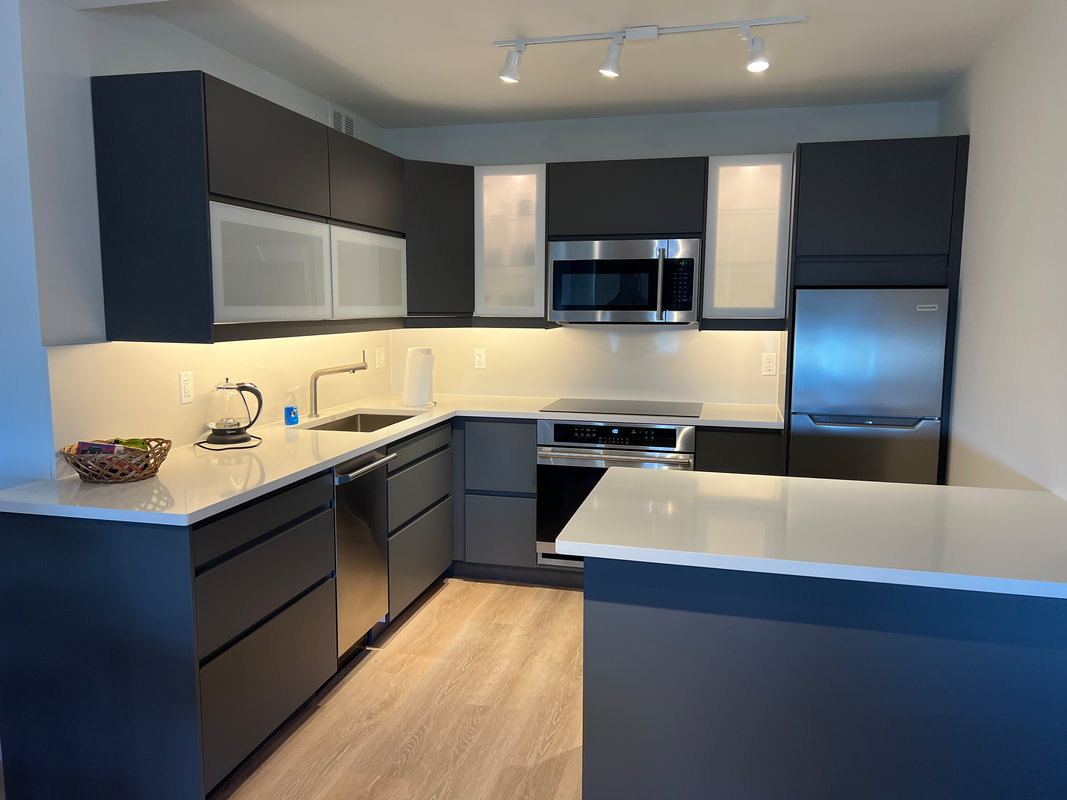
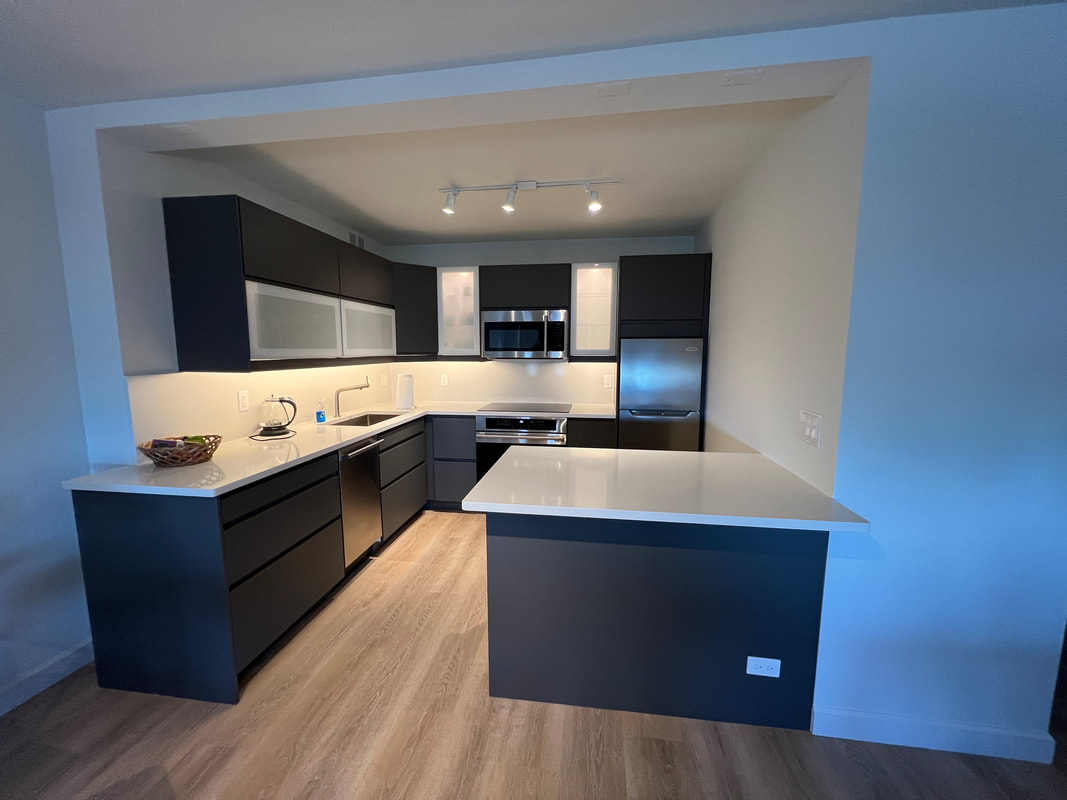
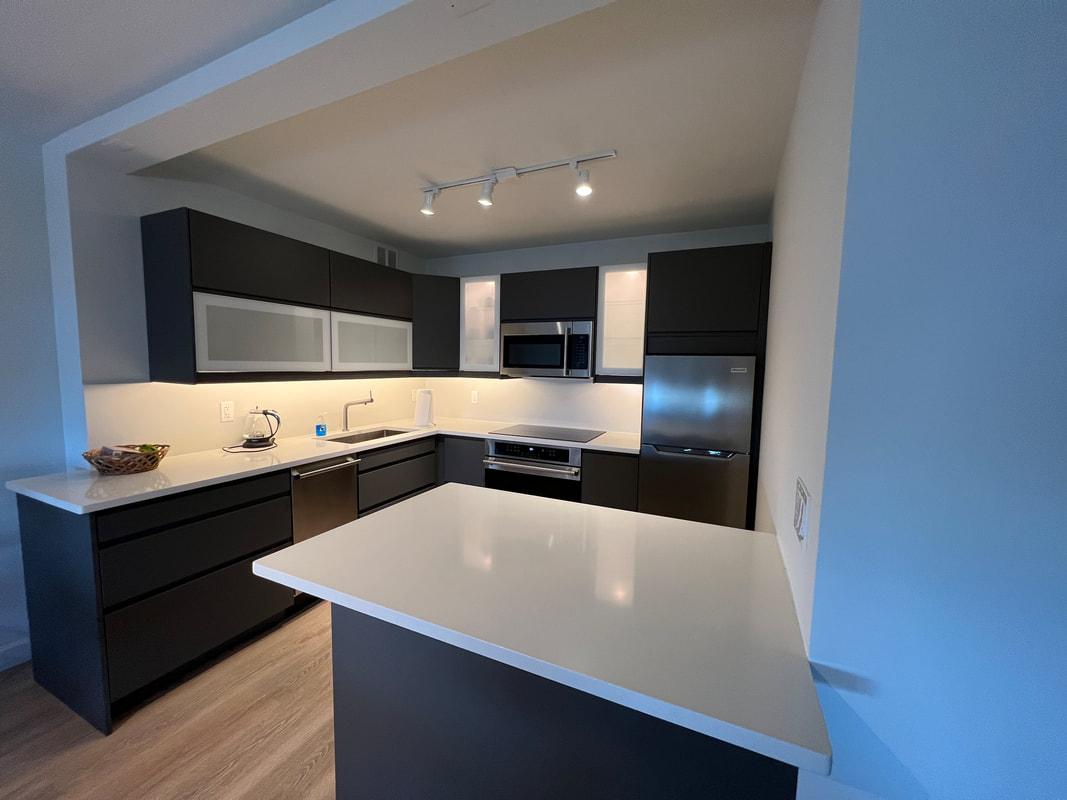
Your kitchen floor works harder than any other surface in your home — and in Chicago, it faces challenges that don't exist in other markets. Our 40% humidity swings between seasons. Freeze-thaw cycles that stress subfloors. High-rise condos with concrete subfloors, HOA flooring restrictions, and STC sound requirements. Century-old bungalows hiding asbestos tiles and unlevel subfloors under decades of renovation layers. And in 2026, a tariff environment that has added $1–$3/sqft to the cost of imported flooring materials.
After completing 500+ Chicago kitchen installations since 2013, Assembly Squad has seen every flooring scenario Chicago throws at a remodel. This guide tells you exactly what works, what doesn't, and what to watch out for — by building type, by budget, and with the 2026 pricing reality built in.
Why Chicago Kitchen Flooring Is Different
⚡ Chicago-Specific Factors That Change Your Flooring Decision
- Humidity swings: Chicago's relative humidity swings 40%+ between humid summers and dry heated winters. Solid wood expands and contracts — gaps in winter, potential buckling in summer. Engineered construction reduces seasonal movement by up to 70%.
- Condo concrete subfloors: Most Chicago high-rise condos have concrete subfloors — no nail-down flooring. Floating or glue-down installation only. This rules out many solid hardwood options entirely.
- HOA STC sound requirements: Many Chicago condo buildings require minimum Sound Transmission Class (STC) and Impact Insulation Class (IIC) ratings — typically STC 50+ and IIC 50+. Hard surfaces (tile, hardwood) require thicker underlayment. Some buildings specify flooring categories entirely.
- Pre-1978 asbestos floor tiles: Chicago bungalows and vintage buildings often have 9"×9" vinyl asbestos tiles (VAT) under the existing kitchen floor. Federal law requires EPA-certified contractors to test and abate before any flooring removal. Assembly Squad holds EPA Lead-Safe Cert #NAT-F285417-1.
- Uneven subfloors: Chicago's vintage housing stock — greystones, bungalows, two-flats — routinely has subfloor variation of ¼"–¾" over 10 feet. Leveling compound adds $500–$2,000 before any flooring goes down.
- Import tariffs: 25%+ on flooring from China and Asia. LVP, laminate, and some tile products are affected. Ask your contractor where materials are manufactured.
All 6 Chicago Kitchen Flooring Options — Compared
1. Engineered Hardwood
$8–$18 per sq ft installed (Chicago 2026)The #1 choice for Lincoln Park, Lakeview, Gold Coast, and Wicker Park kitchens in 2026. Real wood veneer over plywood core — the cross-grain construction reduces seasonal movement by up to 70% vs. solid wood, making it far more stable in Chicago's humidity swings. Wide-plank white oak (5"–7" planks) and walnut are the dominant looks in 2026.
- Best Chicago building types: Greystones, bungalows, single-family homes, garden units with wood subfloors
- Installation: Float, glue, or nail/staple (wood subfloor only) — NOT nail-down on concrete
- Chicago humidity performance: Excellent — designed for dimensional stability
- Refinishable: 1–3 times depending on veneer thickness (2mm+ recommended)
- Lifespan: 25–50 years with proper care
- 2026 tariff note: Domestic brands (Shaw, Mohawk, Bruce) tariff-free. Asian-made engineered wood carries 25%+ tariff — verify origin before ordering
- ROI: 70–80% — highest return of any kitchen flooring in Chicago's premium market
2. Luxury Vinyl Plank (LVP)
$4–$9 per sq ft installed (Chicago 2026)LVP has become the dominant choice for budget and mid-range Chicago kitchen remodels — and in 2026, it's the most important material to ask about tariffs. Chinese-manufactured LVP carries 25%+ import tariff. Domestic brands (COREtec, Shaw Floorté, Mannington Adura) are tariff-free and often the same or better quality. Always ask where it's made.
- Best Chicago building types: All types — condos, bungalows, rentals, family homes
- Installation: Floating (click-lock) — works over concrete, no HOA nail-down issues
- Chicago humidity performance: Excellent — 100% waterproof core unaffected by humidity swings
- Wear layer: Specify 20-mil+ wear layer for kitchen traffic — avoid 12-mil builder grade
- Lifespan: 15–25 years (commercial-grade wear layer)
- 2026 tariff note: CRITICAL — Chinese LVP adds $1–$3/sqft in tariffs. Specify domestic brands. Assembly Squad uses COREtec and Shaw US lines as standard.
- ROI: 60–70%
3. Porcelain Tile
$8–$18 per sq ft installed (Chicago 2026)The most durable kitchen floor available — and the #1 choice for Chicago condos because it's non-combustible, dense, and adheres directly to concrete subfloors. Large-format tiles (24"×48" and 32"×32") are the dominant 2026 trend — fewer grout lines, easier maintenance, more contemporary. Heated floors under porcelain are increasingly popular in Chicago — and worth every penny on February mornings.
- Best Chicago building types: Condos (ideal on concrete), bungalows, all types
- Installation: Mortar-set — permanent, requires flat subfloor (≤3/16" variation per 10')
- Chicago humidity performance: Perfect — impervious to moisture
- Heated floors: Electric radiant under porcelain adds $1,500–$3,500 — requires permit in Chicago, HOA approval in condos
- Lifespan: 50+ years
- 2026 tariff note: Italian and Spanish porcelain is premium and tariff is lower than Asian products. Domestic US tile (Daltile, American Olean) is tariff-free.
- ROI: 65–75%
4. Solid Hardwood
$10–$22 per sq ft installed (Chicago 2026)Solid hardwood is beautiful and infinitely refinishable — but it is the most challenging flooring choice for Chicago kitchens specifically. Our humidity swings cause solid wood to gap in winter (when indoor air drops to 20–30% RH under heating) and swell in summer. We install it when clients specifically request it, but we always recommend engineered hardwood as the more stable alternative for Chicago.
- Best Chicago building types: Single-family homes with wood subfloors only — NOT in condos
- Installation: Nail/staple to wood subfloor only — never over concrete
- Chicago humidity performance: Challenging — requires whole-home humidity control (humidifier in winter, AC in summer)
- Refinishable: Unlimited — the main advantage over engineered
- Lifespan: 50–100+ years if properly maintained
- Assembly Squad recommendation: Choose engineered hardwood for Chicago kitchens unless whole-home humidity control is already in place
5. Ceramic Tile
$5–$10 per sq ft installed (Chicago 2026)Ceramic tile is softer and more porous than porcelain — it chips more easily under dropped heavy items and absorbs more moisture. For kitchen floors in Chicago, we recommend porcelain over ceramic in almost every case. The cost difference is minimal ($1–$3/sqft) and the durability difference is significant. Ceramic is excellent for backsplashes and walls, but floors deserve porcelain.
- Best use: Backsplash, walls, low-traffic areas — not ideal as primary kitchen floor
- When it makes sense: Very tight budgets where porcelain isn't feasible
- Lifespan: 10–20 years (vs. 50+ for porcelain)
6. Natural Stone (Marble, Travertine, Limestone)
$15–$40 per sq ft installed (Chicago 2026)Natural stone is the luxury choice — Gold Coast high-rises and Lincoln Park greystones are the primary Chicago market. Beautiful but demanding: requires sealing every 1–3 years, is susceptible to acid etching (lemon juice, vinegar, wine), and imported stone now carries tariff exposure. If a client wants marble floors, we source it — but we make sure they understand the maintenance commitment before signing.
- Best building types: Luxury condos, premium single-family homes
- Maintenance: Annual sealing required, pH-neutral cleaners only
- 2026 tariff note: Italian and Turkish marble carries tariff. Domestic quartzite from US quarries is tariff-free alternative.
- Lifespan: 100+ years with proper maintenance
Not Sure Which Floor Is Right for Your Chicago Kitchen?
Visit our Lincoln Park design studio — see flooring samples, get a 3D rendering of your kitchen, and get a fixed-price flooring + kitchen quote. We'll assess your subfloor, building type, and HOA requirements before recommending anything.
(312) 544-9150 Schedule your free consultation →Head-to-Head Comparison: All 6 Flooring Types for Chicago Kitchens
| Flooring Type | Installed Cost (Chicago) | Chicago Humidity | Condo OK? | Tariff Risk? | Lifespan |
|---|---|---|---|---|---|
| Engineered Hardwood | $8–$18/sqft | Excellent | Glue-down only | Check origin | 25–50 yrs |
| LVP (Domestic) | $4–$9/sqft | Excellent | Yes — floating | None (domestic) | 15–25 yrs |
| LVP (Asian import) | $5–$12/sqft w/ tariff | Excellent | Yes — floating | 25%+ tariff | 15–25 yrs |
| Porcelain Tile | $8–$18/sqft | Perfect | Yes — best choice | Varies by origin | 50+ yrs |
| Solid Hardwood | $10–$22/sqft | Challenging | No (concrete) | Check origin | 50–100 yrs |
| Ceramic Tile | $5–$10/sqft | Good | Yes | Varies | 10–20 yrs |
| Natural Stone | $15–$40/sqft | Good (sealed) | Yes | Imported = tariff | 100+ yrs |
Best Flooring by Chicago Building Type
□️ High-Rise Condo
- #1: Large-format porcelain tile — concrete-ready, durable, no HOA issues
- #2: Domestic floating LVP — must meet STC requirements with proper underlayment
- Heated floors: Electric radiant under tile — needs HOA approval + permit
- Avoid: Nail-down hardwood, glue-down in some buildings without approval
- Budget add: +15–22% for condo logistics vs. single-family
□ Chicago Bungalow
- #1: Engineered hardwood — period-appropriate, humidity-stable
- #2: LVP (domestic) — practical, waterproof, budget-friendly
- Critical first step: Subfloor leveling — budget $500–$2,000
- Pre-1978 homes: Asbestos tile testing mandatory before removal
- Avoid: Solid hardwood without whole-home humidity control
□️ Vintage Greystone / Brownstone
- #1: Wide-plank engineered hardwood — matches period character
- #2: Porcelain tile in wood-look large format
- Watch for: Uneven floors, multiple renovation layers, old adhesive
- Historical note: Some greystone kitchens have original hex tile worth preserving
- Subfloor: Usually wood — allows nail-down options
□ Gold Coast / River North Luxury
- #1: Wide-plank white oak or walnut engineered — 5"–7" planks
- #2: Marble or natural stone with radiant heat
- Trend: Herringbone pattern engineered hardwood — strong 2026 look
- Budget: $15–$35/sqft installed for premium selections
- ROI: Highest of any Chicago neighborhood — supports premium flooring spend
The 2026 Tariff Reality — What It Means for Your Floor
⚡ Import Tariff Impact on Kitchen Flooring — April 2026
The single most important question to ask your contractor in 2026: where is this flooring manufactured? Import tariffs at 25%+ on Chinese and Asian flooring products have fundamentally changed the cost equation.
What's affected: The majority of LVP sold in big-box stores (Home Depot, Lowe's, Floor & Decor) is manufactured in China or Vietnam. Many laminate products are Asian-made. Some porcelain tile and natural stone carries tariff exposure depending on origin. What's not affected: Domestic engineered hardwood (Shaw, Mohawk, Bruce US lines), domestic LVP (COREtec, Mannington Adura, Shaw Floorté US), US-made porcelain (Daltile, American Olean). Assembly Squad specs domestic materials on every project — fixed-price, no tariff surprise after signing.
| Material | Tariff-Affected Brands | Tariff-Free Alternatives | Cost Impact |
|---|---|---|---|
| LVP | Most Chinese-made (LifeProof, TrafficMASTER) | COREtec, Shaw Floorté, Mannington Adura | +$1–$3/sqft |
| Laminate | Most Asian-manufactured | Pergo US, Mohawk RevWood (US) | +$1–$2/sqft |
| Porcelain Tile | Chinese and some Asian tile | Daltile, American Olean, Italian brands (lower tariff) | +$0.50–$2/sqft |
| Natural Stone | Turkish, Chinese marble/granite | US quartzite, domestic slate | +$2–$5/sqft |
| Engineered Hardwood | Chinese-made engineered wood | Shaw, Mohawk, Bruce (US domestic lines) | Verify origin |
Chicago-Specific Flooring: Permits, Condos & Bungalows
When Does Kitchen Flooring Need a Chicago Permit?
- No permit required: Like-for-like floor replacement (tile over tile, hardwood over hardwood), refinishing existing hardwood, floating LVP installation, ceramic/porcelain tile with no structural changes
- Permit required: Radiant / heated floor installation (electrical sub-permit), structural subfloor changes or sistering joists, raising or lowering floor height affecting doorways or adjacent rooms
- Express Permit (3–5 business days): Heated floors under $25K with simple electrical — Assembly Squad files all permits on every project
- Note for condos: Chicago permits are separate from HOA approval — you need both. Some buildings require board review even for like-for-like flooring replacements.
⚠️ Condo Flooring Rules — What HOAs Actually Require
- STC / IIC sound ratings: Most Chicago high-rise buildings require STC 50+ and IIC 50+. Hard flooring (tile, hardwood) requires 3–6mm acoustic underlayment to meet these ratings. Some buildings specify minimum underlayment brands.
- No nail-down on concrete: Standard in all concrete-subfloor buildings — floating or glue-down only
- Heated floor HOA approval: Required in virtually all Chicago condo buildings — submit before ordering. Adds 3–6 weeks to project timeline.
- Glue-down restrictions: Some buildings restrict adhesive types due to fumes — verify before ordering glue-down hardwood
- Delivery and installation hours: 9am–4pm weekdays in most buildings — affects labor cost (extends project 15–25%)
⚠️ Pre-1978 Chicago Homes: Asbestos Floor Tile
Chicago bungalows, two-flats, and vintage apartments built before 1978 commonly contain 9"×9" vinyl asbestos floor tiles (VAT) under multiple layers of flooring. Federal law prohibits disturbance of suspected asbestos materials without proper testing and abatement. Assembly Squad holds EPA Lead-Safe Certification #NAT-F285417-1, which covers asbestos awareness protocols. If your home predates 1978, budget $800–$2,500 for testing and abatement as a contingency line item before any flooring removal begins. We've found asbestos tile in 3 of our last 5 pre-1978 bungalow kitchen demos this spring.
Free Flooring Assessment — We Come to You
Assembly Squad assesses your subfloor, building type, HOA requirements, and current flooring condition before recommending anything. Fixed-price quote, no tariff surprises, Illinois-made cabinetry bundled if you're doing a full kitchen remodel.
(312) 544-9150 Schedule your free consultation →2026 Kitchen Flooring Trends in Chicago
□ What's Hot in 2026
- Wide-plank white oak (5"–7") — dominant in premium kitchens
- Large-format porcelain (24"×48") — fewer grout lines, cleaner look
- Herringbone pattern hardwood or LVP — strong 2026 statement
- Warm tones — tans, creams, medium browns replacing cool grays
- Matte finishes — less visible scratches, more natural feel
- Radiant heated floors under tile — rising fast in Chicago luxury segment
- Wood-look porcelain tile — combines warmth with durability
❌ What's Fading in 2026
- Cool gray LVP — peaked in 2022, now dating quickly
- 12"×12" standard tile — replaced by large format
- High-gloss finishes — showing scratches, feeling dated
- White/blonde bleached oak — oversaturated, giving way to warmer natural tones
- Narrow plank hardwood (under 3") — wide plank now dominates
- Busy pattern tile — cleaner, larger formats winning
Chicago Kitchen Flooring Costs — Complete Breakdown
| Line Item | Range | Notes |
|---|---|---|
| Material — LVP (domestic) | $2–$4/sqft | Tariff-free domestic brands |
| Material — LVP (imported) | $2–$5/sqft + 25% tariff | Avoid in 2026 |
| Material — Engineered Hardwood | $4–$10/sqft | Domestic brands tariff-free |
| Material — Porcelain Tile | $3–$12/sqft | Large format at premium end |
| Installation Labor | $3–$8/sqft | Chicago runs 15–20% above national avg |
| Subfloor Leveling | $500–$2,000 | Very common in Chicago vintage stock |
| Old Floor Removal | $1–$3/sqft | Multiple layers add cost |
| Asbestos Testing | $300–$600 | Required for pre-1978 homes |
| Asbestos Abatement | $800–$2,500 | If VAT tiles present |
| Acoustic Underlayment (Condo) | $0.50–$1.50/sqft | Required for STC compliance |
| Heated Floor — Electric Radiant | $1,500–$3,500 | Permit required |
| Typical 120 sqft Kitchen — LVP | $1,800–$3,500 installed | Domestic brand, basic prep |
| Typical 120 sqft Kitchen — Eng. Hardwood | $2,800–$6,000 installed | Includes subfloor leveling |
| Typical 120 sqft Kitchen — Porcelain Tile | $2,500–$5,500 installed | Large format, standard prep |
Flooring + Kitchen Remodel: Order It Right
✅ The Right Sequence — Flooring Timing in a Full Kitchen Remodel
- LVP and floating floors: Install AFTER cabinets — floating floors need to run under toe kicks but not under cabinet bases. This is the standard for most Assembly Squad kitchen remodels.
- Tile and mortar-set floors: Install BEFORE cabinets — tile goes to the wall, cabinets sit on top. Requires careful sequencing with plumbing and electrical rough-in.
- Hardwood: Usually installed AFTER cabinets — protects the floor during heavy construction phases
- Flooring ordering tip: Order flooring materials at contract signing — parallel to permit approval, same as cabinets. Domestic LVP ships in 1–2 weeks; engineered hardwood 2–4 weeks. Do not wait for permit approval to order — this adds weeks to your timeline unnecessarily.
- Flooring as % of kitchen budget: 8–15% — it is NOT the place to cut corners. A failed floor in a finished kitchen means tearing everything out.