• Home
  • About Us
  • Services
  • GET FREE ESTIMATE
  • Portfolio
  • Service Area
  • Blog
Kitchen,Bath,Condo Remodeling In Chicago| Assembly Squad
  • Home
  • About Us
  • Services
  • GET FREE ESTIMATE
  • Portfolio
  • Service Area
  • Blog
Chicago bungalow kitchen renovation

Chicago Bungalow Kitchen Renovation: Transform Your 1920s Kitchen in 2025

Preserve charm while adding modern function - complete guide for Chicago's 80,000+ bungalows
Robert O'Connor
Robert O'Connor
September 14, 2025
16 min read

Chicago Bungalow Kitchen Renovation Reality

Bungalow kitchen renovations in Chicago cost $35,000-$85,000, with most projects averaging $45,000-$60,000. Opening the kitchen to dining room runs $40,000-$55,000. Full gut renovations with period-appropriate details cost $60,000-$85,000. Structural challenges like load-bearing walls and original plumbing add 20-30% to standard costs. ROI averages 75-85% when preserving architectural character.

Your Chicago bungalow kitchen hasn't changed since Coolidge was president. Closed off from the dining room, cramped galley layout, original wood cabinets painted seventeen times - classic bungalow kitchen problems. After renovating 200+ Chicago bungalow kitchens, Assembly Squad has mastered the delicate balance of preserving historic charm while creating modern functionality. From Portage Park to Beverly, we understand what makes bungalow renovations unique.

Chicago has over 80,000 bungalows, mostly built between 1910 and 1940, each with nearly identical kitchen challenges. These homes were designed when kitchens were purely functional spaces, hidden from view. Today's homeowners want open, bright kitchens that still respect the home's Arts & Crafts heritage. The good news? With the right approach, your bungalow kitchen can honor its past while embracing modern living.

The key to successful bungalow kitchen renovation is understanding what to preserve and what to update. Original hardwood floors? Keep them. Closed-off galley layout? Open it up. Those built-in hutches and craftsman details? Restore and integrate them. Let's explore how to transform your bungalow kitchen while maintaining the character that makes these homes special.

Bungalow Kitchen Renovation ROI

75-85% Return

Period-appropriate renovation: 80-85% ROI
Modern update (losing character): 65-75% ROI
Opening to dining room: 75-80% ROI
Average value increase: $40,000-$65,000

Understanding Your Chicago Bungalow Kitchen

Chicago bungalows share remarkably similar kitchen layouts and challenges:

Classic Bungalow Kitchen Profile

Found in: 80,000+ Chicago homes
  • Typical size: 80-120 square feet (usually 8x10 or 10x12)
  • Layout: Galley style, separated from dining room
  • Original features: Built-in hutch, pantry closet, breakfast nook
  • Common problems: One window, limited natural light
  • Plumbing location: Against back wall, rarely moveable
  • Electrical: Often still knob-and-tube or early Romex
  • Floor: Original hardwood, often under layers of linoleum

Structural Considerations Unique to Bungalows

Critical to understand before planning
  • Load-bearing wall: Usually between kitchen and dining room
  • Balloon framing: Common in pre-1930 bungalows
  • Basement stairs: Often accessed through kitchen
  • Radiator placement: Usually under window, hard to move
  • 9-foot ceilings: Allow for varied cabinet heights
  • Chimney location: May limit layout options
  • Foundation: Limestone or brick, settling issues common

Popular Bungalow Kitchen Layout Transformations

Option 1: Open to Dining Room (Most Popular)

  • Remove wall: Install beam for load-bearing support ($8,000-$15,000)
  • Peninsula addition: Defines spaces while maintaining flow
  • Maintained separation: Half-wall or columns preserve room definition
  • Permit requirement: Structural engineer evaluation needed
  • Timeline impact: Adds 2-3 weeks to project
  • Best for: Families who entertain, modern lifestyles
  • Character preservation: Keep original trim and replicate on beam

Option 2: Respect Original Layout

  • Maintain walls: Work within existing footprint
  • Doorway widening: Open up entry without removing wall
  • Window addition: Add window for more light ($2,500-$4,000)
  • Smart storage: Maximize every inch of existing space
  • Period details: Restore original features
  • Lower cost: No structural work saves $10,000-$15,000
  • Historic districts: May be required in landmark areas

Design Elements That Honor Bungalow Heritage

Element Original Feature Modern Update Cost Impact Character Preservation
Cabinets White painted wood, glass fronts Shaker style, mixed uppers $8,000-$15,000 Essential for authenticity
Backsplash White subway tile Subway with accent border $1,500-$3,000 Classic, never goes out of style
Flooring Oak hardwood Refinished original or matched $2,000-$5,000 Always preserve if possible
Hardware Bin pulls, brass/bronze Oil-rubbed bronze or black $300-$600 Small detail, big impact
Lighting Schoolhouse pendants Updated schoolhouse style $500-$1,500 Sets period tone

Common Bungalow Kitchen Challenges & Solutions

⚠️ Hidden Issues in Chicago Bungalows

  • Lead paint: Almost guaranteed in pre-1978 homes ($2,000-$5,000 remediation)
  • Asbestos: In flooring, insulation, siding ($3,000-$8,000 removal)
  • Knob-and-tube wiring: Must be replaced for insurance ($5,000-$10,000)
  • Galvanized plumbing: Corroded, needs replacement ($4,000-$8,000)
  • Foundation settling: Uneven floors common ($2,000-$15,000 to level)
  • Inadequate insulation: Walls often empty ($1,500-$3,000)
  • Termite damage: Check rim joists and sills ($1,000-$10,000)

Smart Storage Solutions for Bungalow Kitchens

Built-In Features

  • Restore original built-in hutch
  • Add matching built-in pantry
  • Corner cabinet with lazy Susan
  • Window seat with storage
  • Plate rail around room perimeter
  • Open shelving on bracket supports

Period-Appropriate Updates

  • Furniture-style island on wheels
  • Appliance garage with tambour door
  • Pull-out drawers in base cabinets
  • Ceiling-height cabinets (9' ceilings)
  • Restored pantry with modern organizers
  • Built-in breakfast nook benches

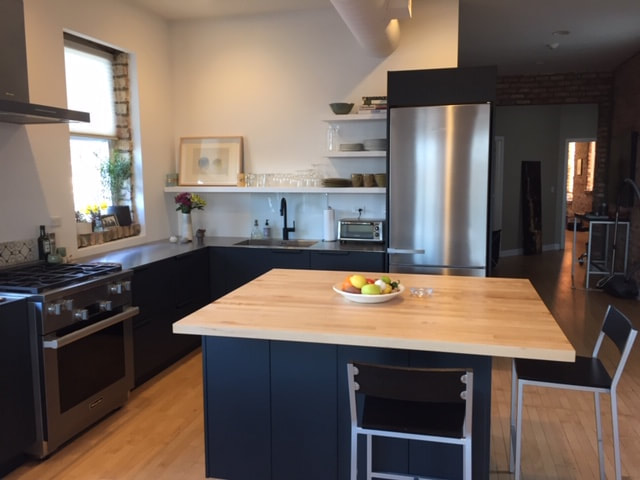
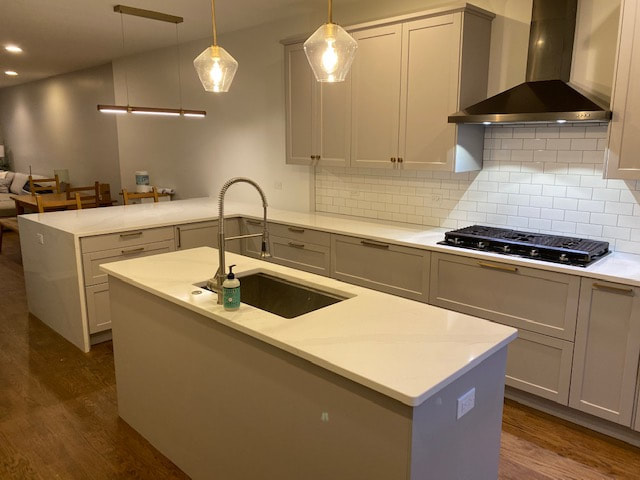
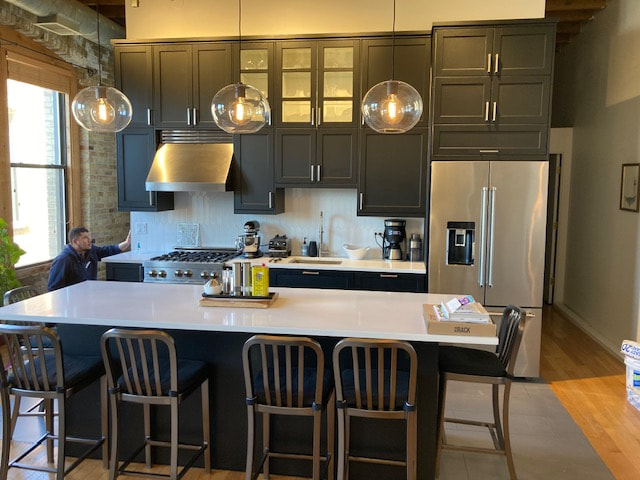
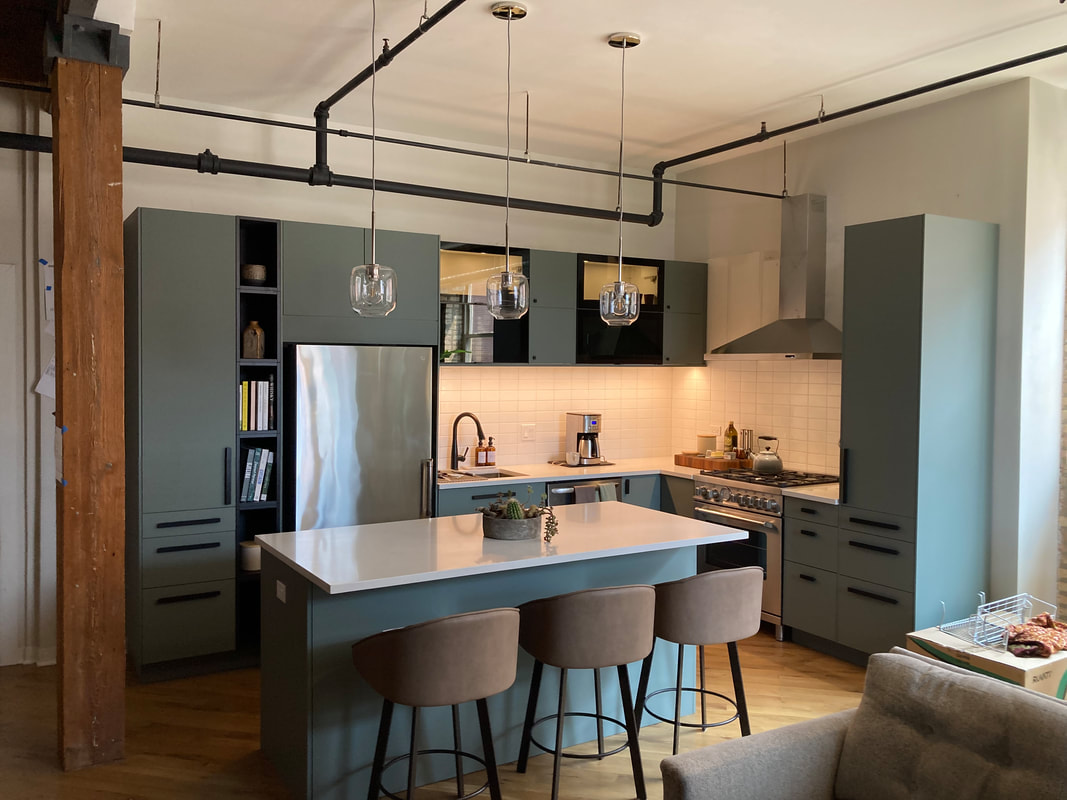
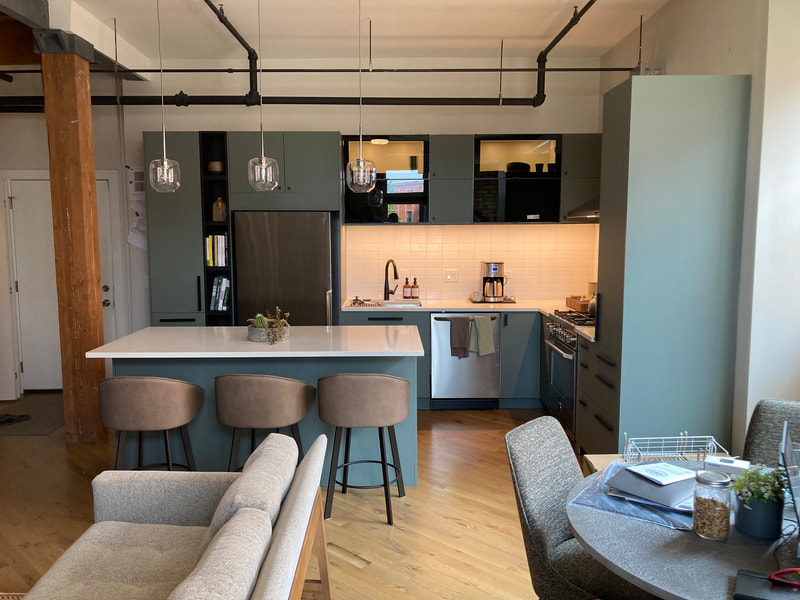
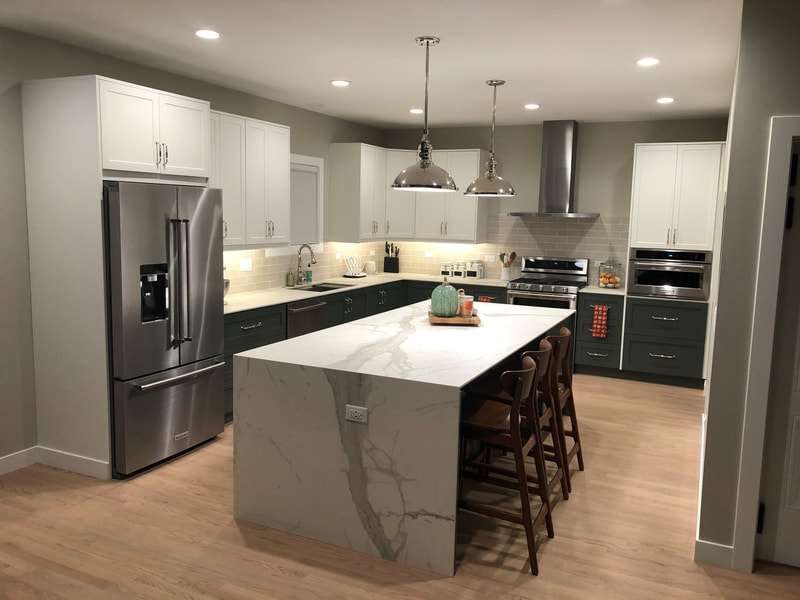
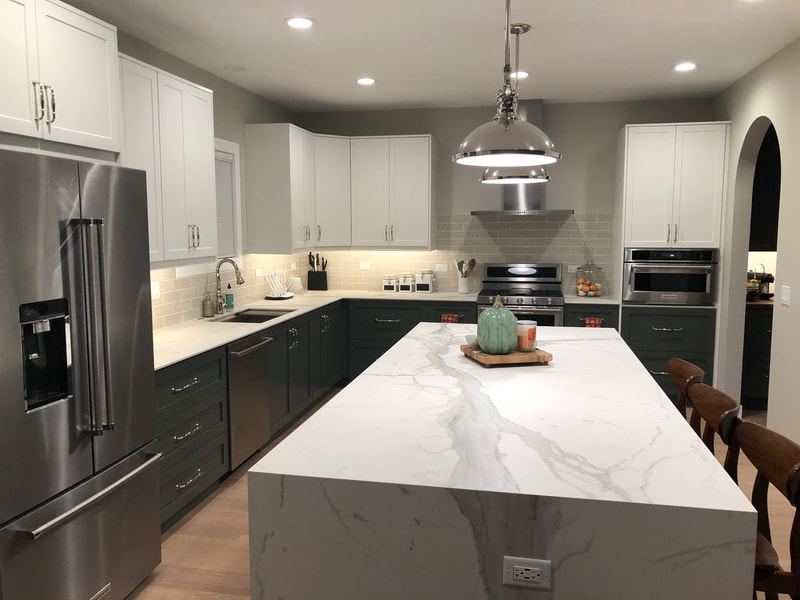
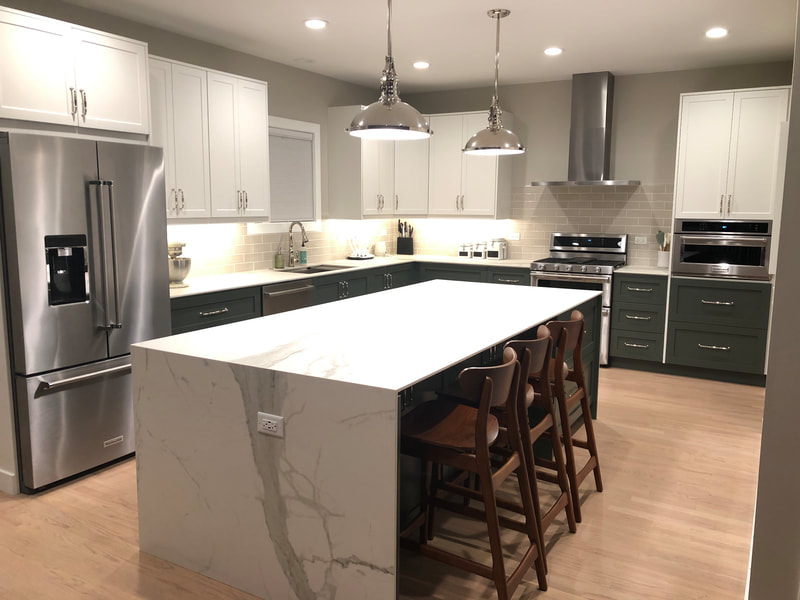
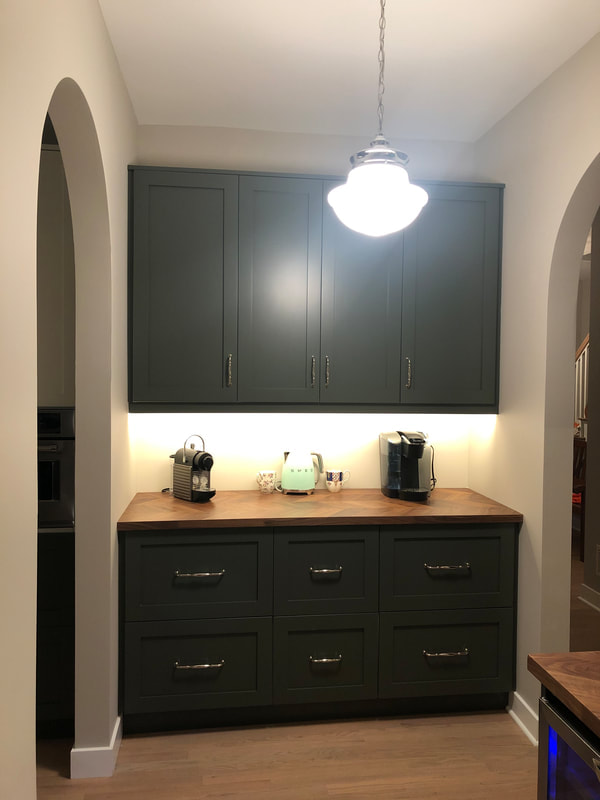
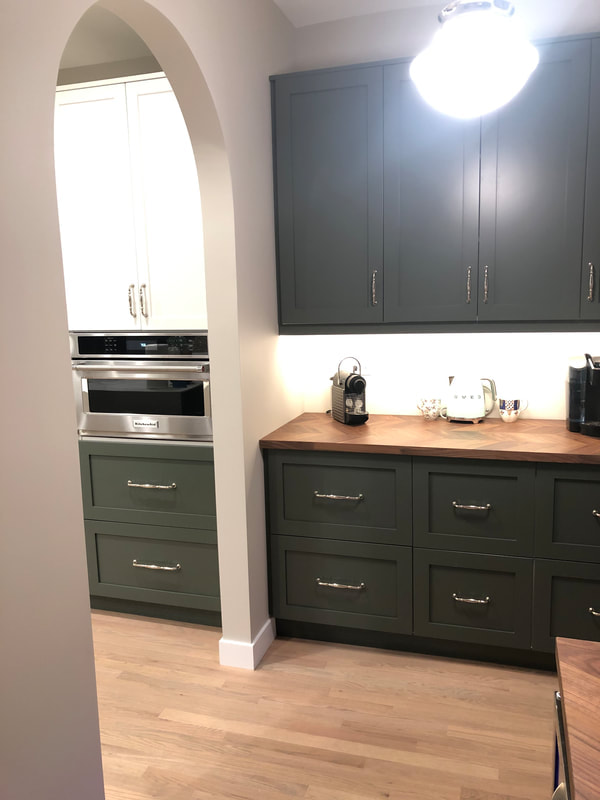
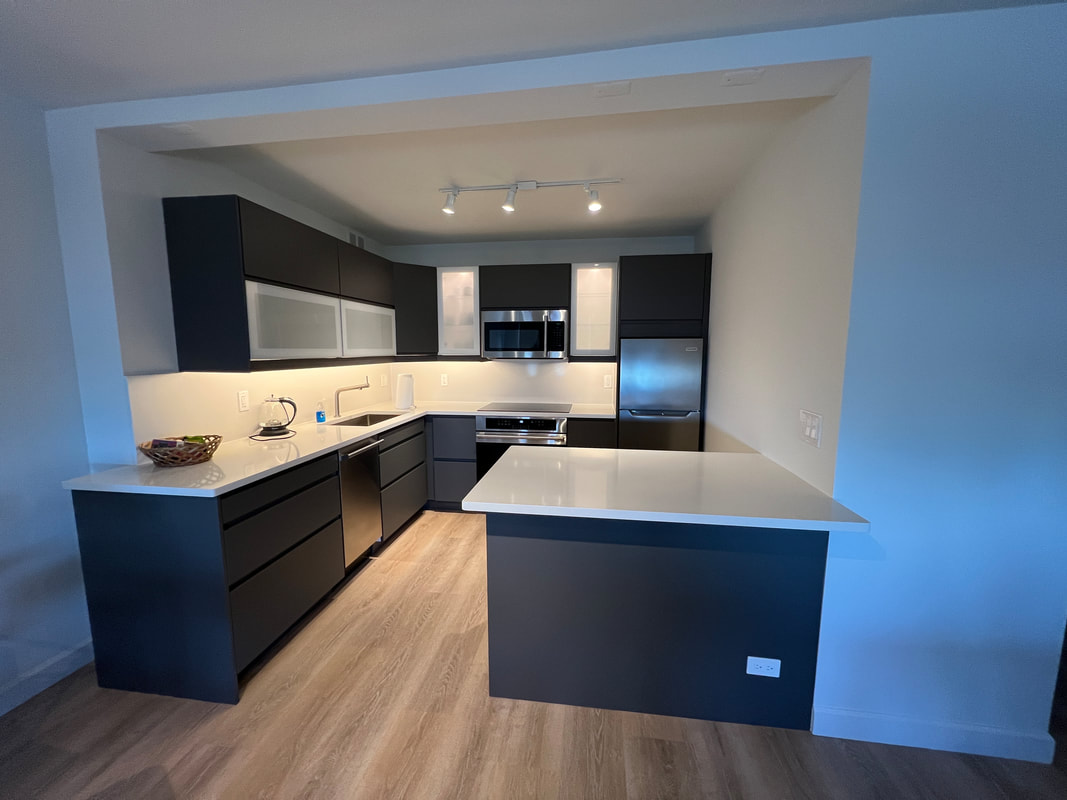
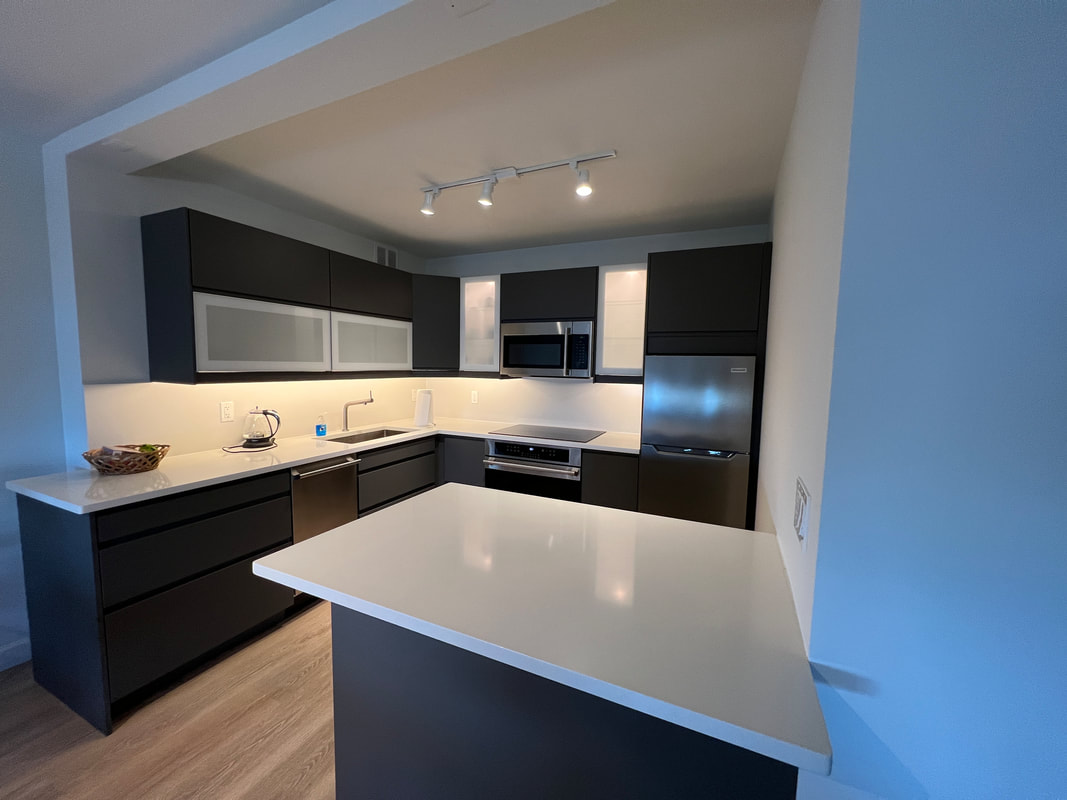
Chicago Bungalow Kitchen Transformations

See our bungalow kitchen renovations across Chicago neighborhoods

Appliance Selection for Bungalow Character

Recommended Appliance Styles

  • Range: Pro-style or vintage-inspired (Big Chill, Smeg)
  • Refrigerator: Counter-depth, panel-ready, or retro style
  • Dishwasher: Panel-ready to match cabinets
  • Hood: Chimney style or hidden in cabinet
  • Sink: Farmhouse/apron front, white or stainless
  • Faucet: Bridge style or traditional single handle
  • Hardware finish: Oil-rubbed bronze, black, or unlacquered brass

Lighting Strategy for Dark Bungalow Kitchens

Three-Layer Lighting Plan

Essential for typically dark bungalow kitchens
  • Ambient: Flush mount or semi-flush ceiling fixture (period style)
  • Task: Under-cabinet LED strips (hidden from view)
  • Accent: Schoolhouse pendants over peninsula/island
  • Natural light boost: Enlarge window or add second window
  • Glass cabinet doors: Interior lighting displays dishes
  • Transom windows: Above cabinets for extra light
  • Light colors: White or cream cabinets reflect light

Neighborhood-Specific Considerations

Bungalow Belt Areas

  • Portage Park: Largest concentration
  • Jefferson Park: Mix of styles
  • Irving Park: Earlier examples
  • Beverly: Larger, prairie influence
  • Berwyn: Excellent preserved examples
  • Forest Park: Historic district rules

Historic District Requirements

  • Landmark review may be required
  • Exterior changes restricted
  • Window replacement guidelines
  • Material requirements specific
  • Tax credits possible for restoration
  • Longer permit approval process

Modern Amenities in Period-Appropriate Design

Seamlessly Integrated Updates

  • USB outlets: Hidden inside drawers and cabinets
  • Charging drawer: Built-in power for devices
  • Soft-close hardware: Modern function, traditional look
  • Pull-out trash: Hidden in base cabinet
  • Water filter: Under-sink system, period faucet
  • LED lighting: Edison bulbs for vintage look
  • Smart appliances: Choose models with classic styling

Bungalow Kitchen Renovation Timeline

Typical 10-12 Week Schedule

  • Week 1-2: Design, structural evaluation, permits
  • Week 3-4: Permit approval, order materials
  • Week 5: Demo, discover/address hidden issues
  • Week 6: Structural work (beam installation if opening wall)
  • Week 7: Rough plumbing/electrical, insulation
  • Week 8: Drywall, flooring refinishing
  • Week 9-10: Cabinet installation, countertops
  • Week 11: Backsplash, final fixtures
  • Week 12: Touch-ups, final inspection

Renovating a Chicago bungalow kitchen requires respecting the home's heritage while embracing modern functionality. The most successful renovations honor original craftsmanship - preserving built-ins, maintaining proper proportions, and choosing period-appropriate materials. Yes, it costs more than a standard renovation, but the results create a kitchen that feels both timeless and fresh.

The key is working with contractors who understand bungalow architecture and Chicago's building requirements. Structural changes like opening walls need proper engineering. Hidden issues like knob-and-tube wiring must be addressed. But when done right, your renovated bungalow kitchen becomes the heart of your home while maintaining the character that makes these houses special.

Ready to transform your bungalow kitchen? Contact Assembly Squad for a consultation. We'll evaluate your space, discuss preservation priorities, and create a plan that honors your bungalow's past while preparing it for the future. From Portage Park to Beverly, we're Chicago's bungalow kitchen experts.

Bungalow Kitchen Experts

Renovating Chicago's Historic Bungalows Since 2013

Preserving character while adding modern functionality

Assembly Squad Chicago - Bungalow Kitchen Renovation Specialists
Robert O'Connor

About Robert O'Connor

Robert is Assembly Squad's bungalow renovation specialist with 15 years of experience transforming Chicago's historic homes. Having renovated over 200 bungalow kitchens across the Bungalow Belt, he's an expert in preserving architectural character while adding modern functionality. Robert specializes in structural modifications, period-appropriate design, and navigating historic district requirements. His deep knowledge of 1920s construction methods and hidden challenges in vintage homes ensures smooth renovations that honor the past. Learn more about our bungalow kitchen renovation services.

Chicago Bungalow Kitchen FAQs

How much does a Chicago bungalow kitchen renovation cost?

+

Chicago bungalow kitchen renovations typically cost $35,000-$85,000, with most projects ranging $45,000-$60,000. Opening the kitchen to the dining room costs $40,000-$55,000 including beam installation. Full gut renovations with period details run $60,000-$85,000. Costs are higher than standard kitchens due to structural challenges, lead/asbestos remediation, updating knob-and-tube wiring, and preserving architectural details. Budget an extra 20-30% for hidden issues common in 100-year-old homes. Historic district requirements may add additional costs but tax credits may be available.

Should I open my bungalow kitchen to the dining room?

+

Opening the kitchen to the dining room is the most popular bungalow renovation, improving flow and natural light. The wall is typically load-bearing, requiring a beam installation ($8,000-$15,000). Benefits include better entertaining, family interaction, and increased home value. Consider a peninsula or half-wall to maintain some separation. Some homeowners prefer keeping the original layout for historical authenticity or in landmark districts. Opening the space typically returns 75-80% ROI and makes the home more appealing to modern buyers while still respecting the bungalow's character.

What are common problems in Chicago bungalow kitchens?

+

Chicago bungalow kitchens face consistent challenges: closed-off galley layouts (8x10 typical), single window with poor natural light, lead paint and asbestos in pre-1978 homes, knob-and-tube wiring requiring replacement, galvanized plumbing that's corroded, uneven floors from foundation settling, inadequate insulation in walls, and outdated electrical systems. Most have load-bearing walls between kitchen and dining room. Original features like built-in hutches may need restoration. Basement stairs often run through the kitchen, limiting layout options. Plan for discovering hidden issues - budget 20-30% extra for surprises.

How do I maintain my bungalow's character during renovation?

+

Preserve character by keeping original hardwood floors, restoring built-in hutches and pantries, choosing Shaker-style cabinets with glass fronts, installing classic white subway tile backsplashes, using period-appropriate hardware (bin pulls in bronze/black), selecting schoolhouse or craftsman light fixtures, and maintaining original trim and millwork. If opening walls, replicate trim details on new beams. Choose appliances with vintage styling or panel-ready options. Keep the original window and add matching ones for more light. Use natural materials like wood and stone. These choices maintain authenticity while adding modern function, ensuring 80-85% ROI versus 65-75% for modern updates that lose character.

Do I need special permits for bungalow renovation?

+

Chicago bungalow renovations require standard permits plus potential historic review. You'll need building permits for structural changes ($500-$1,500), electrical permits for rewiring ($300-$800), and plumbing permits for updates ($300-$800). If removing walls, structural engineer evaluation is required ($1,500-$3,000). Historic districts like those in Beverly or Forest Park require landmark commission review, adding 2-4 weeks. Lead paint and asbestos remediation need certified contractors and proper disposal permits. Total permit costs typically run $1,500-$3,000. Licensed contractors can pull permits through Chicago's Easy Permit Process. Budget 3-5 weeks for permit approval.

How long does a bungalow kitchen renovation take?

+

Bungalow kitchen renovations typically take 10-12 weeks, longer than standard kitchens due to structural work and hidden issues. Timeline includes: 2 weeks for design and permits, 2 weeks for permit approval, 1 week for demo and discovering problems, 1 week for structural work if opening walls, 1 week for electrical/plumbing updates, 1 week for insulation and drywall, 2 weeks for cabinets and counters, 1 week for finishing touches. Add time for lead/asbestos remediation, foundation repairs, or historic district reviews. Plan to be without a kitchen for 8-10 weeks minimum. Many homeowners discover issues that extend timelines by 2-3 weeks.

Assembly Squad Remodeling

Chicago's premier home remodeling experts specializing in kitchen, bathroom, basement and whole home renovations.

SERVICES

  • Kitchen Remodeling
  • Bathroom Remodeling
  • Basement Remodeling
  • Whole Home Remodeling
  • Condo Remodeling

EXPLORE

  • About Us
  • Blog
  • Portfolio
  • Service Area
  • Contact Us

CONTACT INFO

205 North Michigan Avenue
Suite 810, Chicago, IL 60601

312-544-9150

G H
Assembly Squad Remodeling LLC / All Rights Reserved ©2013-2025 | General Contractor License# TGC098779
  • Home
  • About Us
  • Services
  • GET FREE ESTIMATE
  • Portfolio
  • Service Area
  • Blog